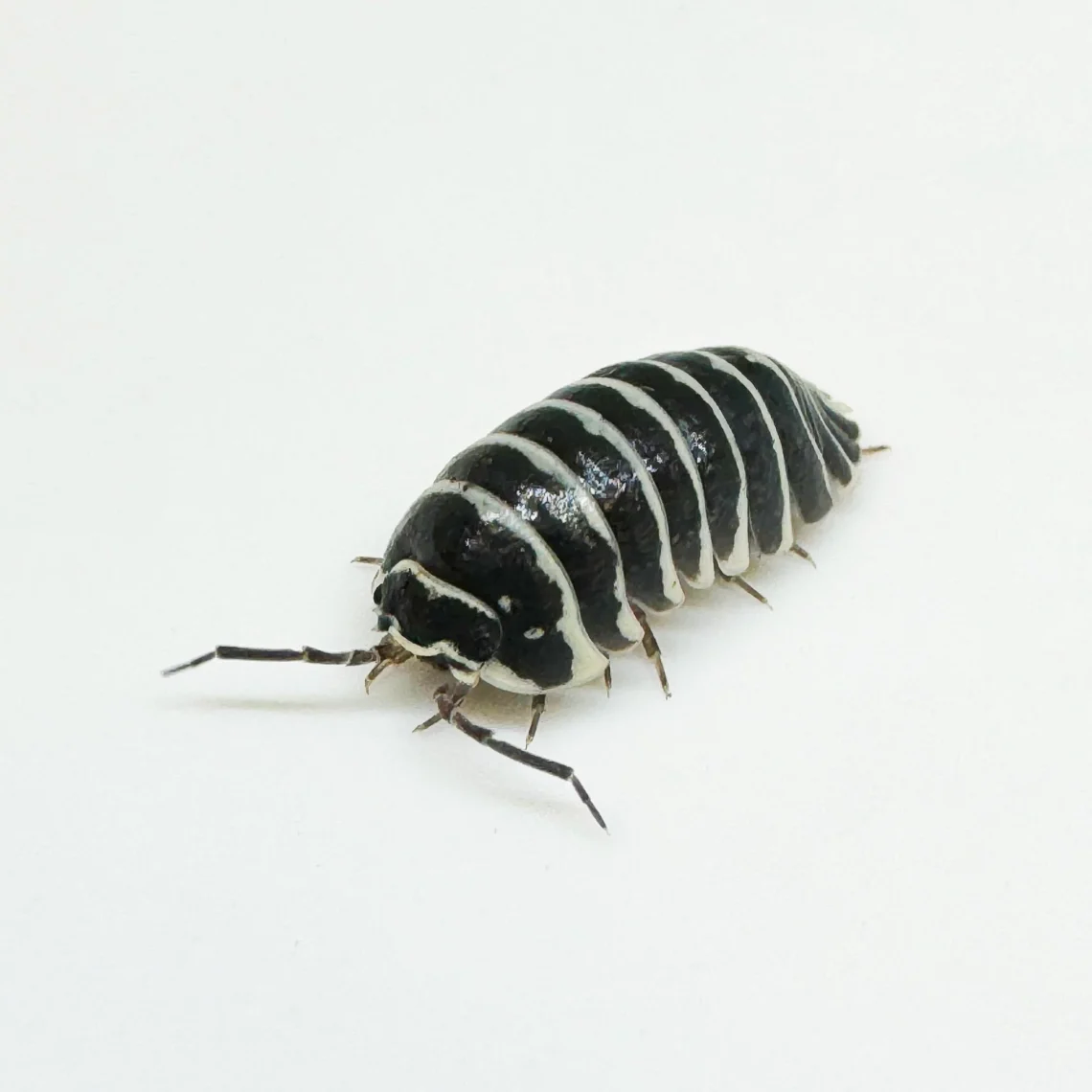
Compare Different Millipedes For Sale For Your Habitat Setup
Picking the right species depends on size, activity level, care wants, and available enclosure space. Hobbyists often review numerous options before making a choice. Products such as postpods can help maintain suitable living conditions by supporting a cleaner environment. Understanding differences between species makes selection easier while helping create a suitable setup that supports long-term success.
Understanding Species Size Differences Clearly
Species vary greatly in length, body shape, and growth rate. Larger diversitiesfrequently require additional enclosure space, while smaller options fit compact setups. Comparing adult size helps owners plan properly while avoiding overcrowding issues that may affect overall living conditions later.
Selecting Suitable Habitat Space Requirements
Different species require specific enclosure dimensions for healthy movement, exploration, and daily activity throughout their environment.
- Larger varieties need additional enclosure space.
- Smaller species fit compact setups easily.
- Proper sizing supports natural movement habits.
Understanding Feeding Habits And Preferences
Feeding behaviors can vary, making it helpful to understand general dietary needs before choosing a species. Healthy feeding routines support development, activity, and completecomfort. Reliable care begins with understanding what supports healthy development throughout the animal’s life.
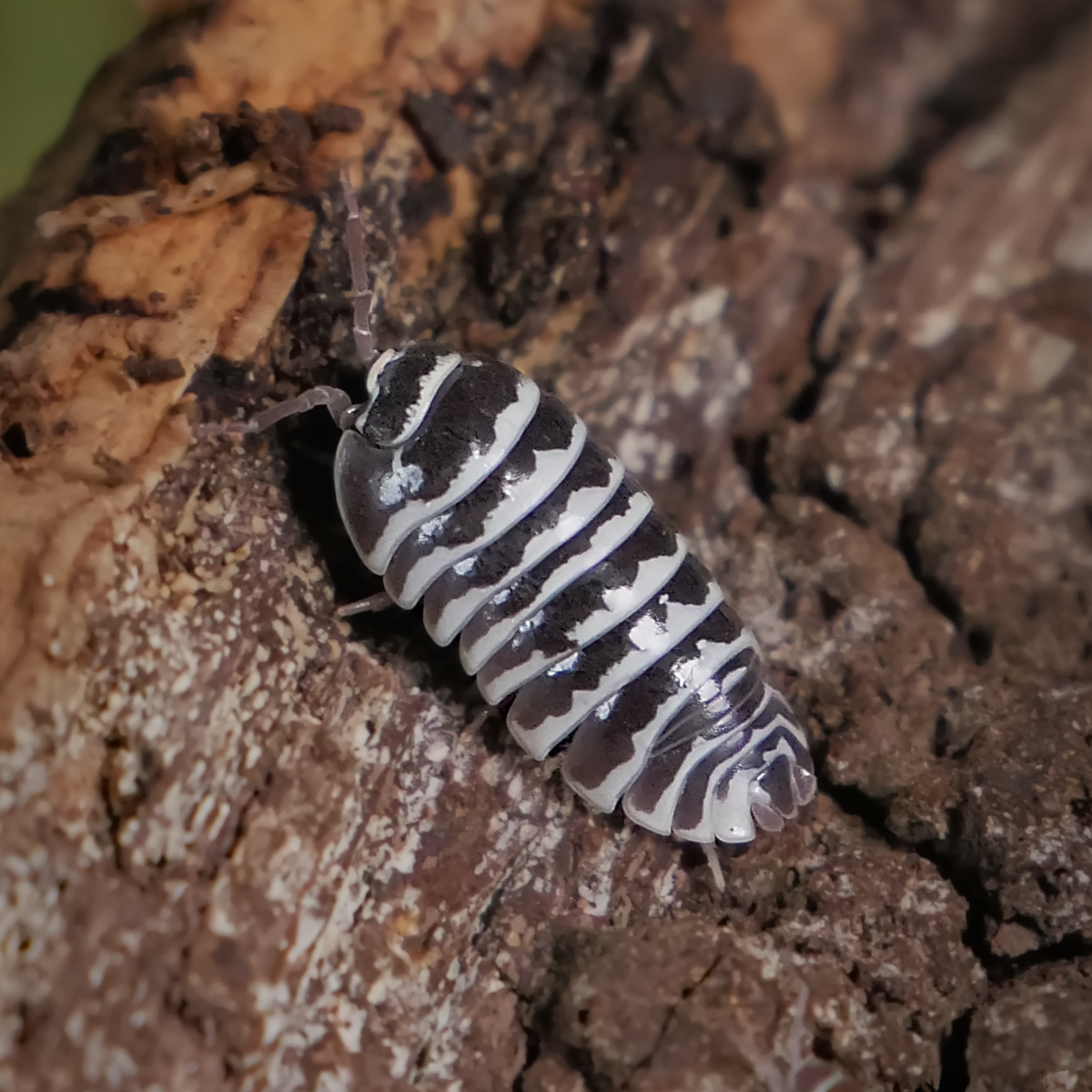
Examining Growth Rates Before Selection
Growth speed varies significantly between species, affecting expectations regarding size development and enclosure planning.
- Growth rates differ among available species.
- Planning ahead supports suitable housing arrangements.
- Development timelines influence long-term decisions.
Considering Lifespan for Long-Term Care
Some species remain part of a collection for several years. Understanding expected lifespan helps owners prepare for ongoing responsibilities. Lasting planning supports responsible care while guaranteeing the enclosure continues meeting changing needs throughout the animal’s life.
Assessing Environmental Stability Requirements Carefully
Stable surroundings help support healthy activity, growth, and overall well-being throughout the enclosure environment.
- Consistency helps maintain suitable living conditions.
- Environmental changes may affect daily behavior.
- Monitoring supports reliable habitat management practices.
Observing Temperament And Handling Characteristics
Temperament differences influence how species respond to routine interaction. Some remain calm during observation, while others prefer minimal disturbance. Understanding these tendencies helps owners select species that align with their preferred level of interaction and management style.
Matching Species With Available Resources
Available time, enclosure size, and maintenance commitment should influence species selection before bringing one home.
- Resources affect the suitability of species choices.
- Planning supports responsible ownership from the beginning.
- Enclosure needs should match available space.
Those searching for millipedes for sale should focus on compatibility rather than appearance alone. Matching species characteristics with enclosure conditions creates a stronger foundation for ongoing care, improved wellbeing, and a more rewarding keeping journey over time.