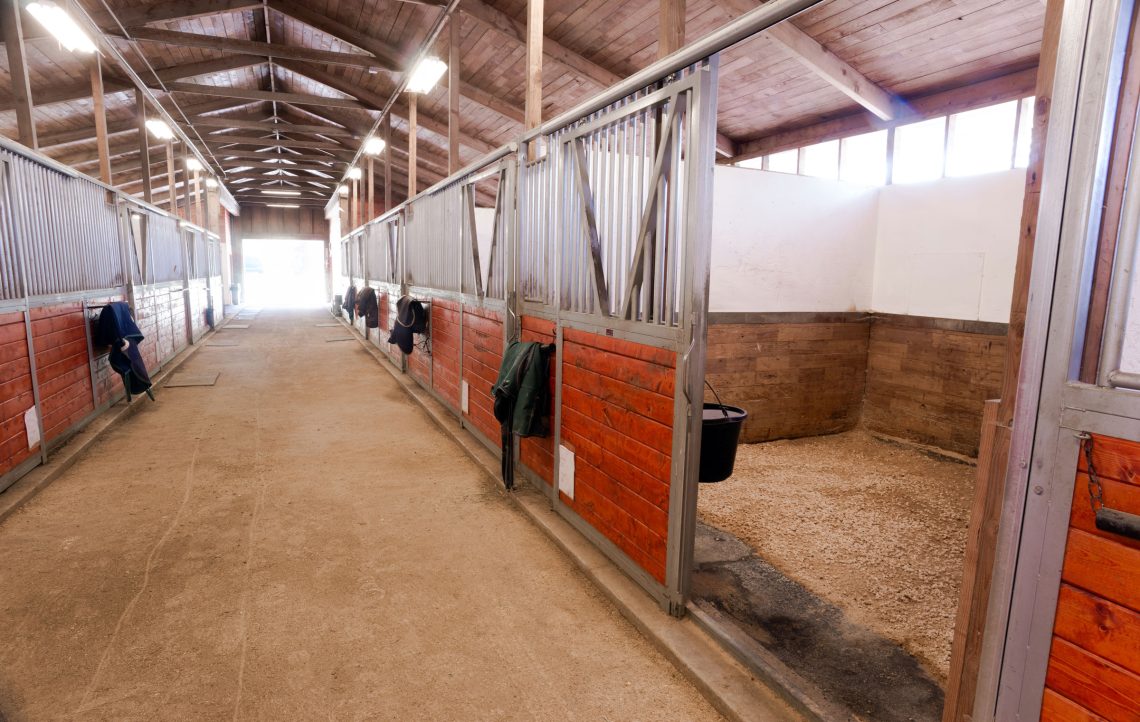
Replacing Old Stall Components? Summerdean Equine Offers Premium Horse Stalls for Existing Barns
Worn latches, sagging doors and rusted bars are common sights in barns that have stood for decades. Replacing everything at once is rarely needed, though. In many cases, the building frame is still sound while the stall fronts and partitions have reached the end of their useful life. Owners looking at Summerdean Equine horse stalls for sale can choose new units made to fit inside an existing structure. This approach keeps the original building in use while improving safety for horses and handlers. It also tends to cost less than tearing down and starting over.
Signs Your Current Stalls Need Replacement
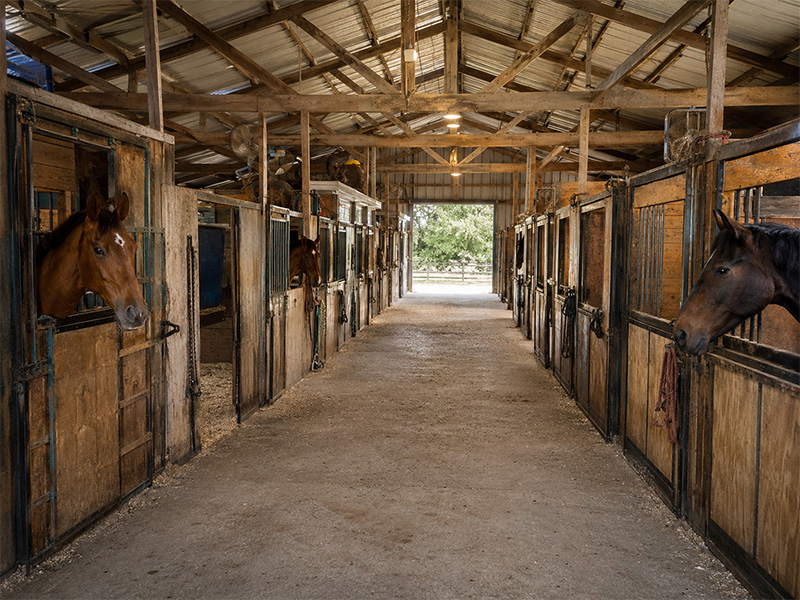
Loose boards, bent bars and doors that drag on the ground are clear warning signs. Sharp edges or exposed bolts can injure a horse that rubs or kicks. Rot at the base of wooden walls often spreads quietly before anyone notices. When repairs start happening every few weeks, replacement usually makes more sense.
What to Check Before Ordering New Parts
A short inspection helps you decide what to keep and what to remove. These checks also make the ordering process more accurate.
- Measure each stall opening at floor level and at the top.
- Look for posts or beams that are no longer standing straight.
- Check whether the concrete or clay floor sits fairly level.
- Note where water lines and light fixtures currently run overhead.
- Inspect roof leaks that could damage new panels over time.
- Decide which walls are worth saving and which need removal.
- Count how many horses will likely use the barn next year.
- Confirm there is enough swing space so gates open freely.
Choosing Materials for Long Service Life
Steel frames hold up well against kicking, chewing and damp air. Powder coated finishes help slow rust in barns with poor airflow. Hardwood or composite boards fill the lower walls and handle daily contact well. Each material carries a different cost, so balance strength against your budget.
How Do New Stalls Fit into Older Barns?
Most replacement stalls are made to match the measurements of the space they will fill. A team reviews your current layout, then designs fronts and partitions that line up with existing posts or walls. Small gaps can often be closed with adjustable brackets or filler pieces.
Older barns rarely have perfectly square corners or even floors. That is one of the main challenges with this type of project. Expect some adjustment on site during installation. Clear photos and accurate measurements before ordering will reduce how much fitting is needed later.
Planning Around Horses During Installation
Work inside an occupied barn needs careful timing. Many owners move horses to a paddock or spare building for a day or two. Installing one row at a time can also keep part of the barn in use.
Upgrading in Stages to Manage Costs
Not every stall has to be replaced in the same season. Some owners start with the units in the worst condition and finish the rest later. Buyers comparing Summerdean Equine horse stalls for sale can often order matching designs in phases, which keeps the barn looking consistent. The trade-off is that staged work may require more than one installation visit.
Repair or Replace Each Stall Part
| Component | Repair When | Replace When |
| Door hinges | Bolts are loose | Metal is bent or cracked |
| Latches | The spring feels weak | A horse can open it |
| Wall boards | One board is split | Rot spreads across several boards |
| Grill bars | Paint is chipped | Bars are bent or loose |
| Frame posts | Rust is only on the surface | Rust has weakened the base |
| Feed doors | The track feels sticky | The door no longer closes safely |
Some parts can be repaired cheaply, while others are safer to replace. The right choice depends on the level of damage, the age of the part and how often it fails. A loose hinge is a small fix, but a cracked frame is not. The table below offers a simple guide.
Replacement Stall FAQ for Barn Owners
- Must old stalls be removed first? Yes, clear the space before installation day.
- Will new stalls fit uneven floors? Adjustable bases handle small height differences.
- Can I keep my current stall walls? Yes, if they are solid and safely attached.
- How long does a barn refit take? Usually a few days, depending on size.
- Do replacement stalls need new flooring? Not always, but check worn mats at that time.
- Should I replace every stall at once? No, staged upgrades work well for tighter budgets.
Small Upgrades, Steady Barn Progress
An aging stable does not need a perfect plan to improve. Steady progress comes from careful measuring, honest checks of each piece and orders placed with clear details. Fix what is weakest first, then move on to the next problem. Mistakes will happen during any refit, but they become fewer with each round of work. Regular follow through will always matter more than waiting for the ideal moment.